Seamless gutters: what drives the cost
Seamless gutters are made at your house, from a coil of metal, to the exact length of each roof edge. That is the whole idea, and it shapes the price.
Call (844) 505-0973Connects you with a local gutter provider
Calls are answered by an independent provider that serves your ZIP code. You decide whether to hire.
The short version
- What sets the price
- Footage, metal and thickness, and the height of the house.
- Why seamless
- Fewer joints means fewer places to leak.
- Compare quotes on
- Metal thickness, hanger type and spacing, and downspout count.
A quote should spell out
- Total footage and the gutter size.
- The metal and its thickness.
- The hanger type and how far apart they go.
- The number and size of downspouts.
What pushes the price up
- Copper or steel in place of aluminum.
- Heavier-gauge metal.
- A tall house or difficult access.
- Many corners, which are the only joints left.
What you are choosing
- Formed on siteA machine on the truck shapes each run to length, so a wall has one piece of gutter with no joints along it.
- MetalAluminum does not rust and is the standard. Thickness varies, and thicker metal resists ladders and ice better.
- SizeFive-inch gutters suit most houses. Larger or steeper roofs may call for six-inch.
- HangersHidden hangers screwed into the fascia hold better than old spike-and-ferrule fasteners.
How the job usually goes
- The installer measures each roof edge.
- Runs are formed from coil stock at the house.
- Gutters are hung with a slight slope to the downspouts.
- Corners are sealed and the system is tested.
This page gives no dollar figures on purpose. Ask each company for the price per foot and the metal thickness, and the quotes become comparable.
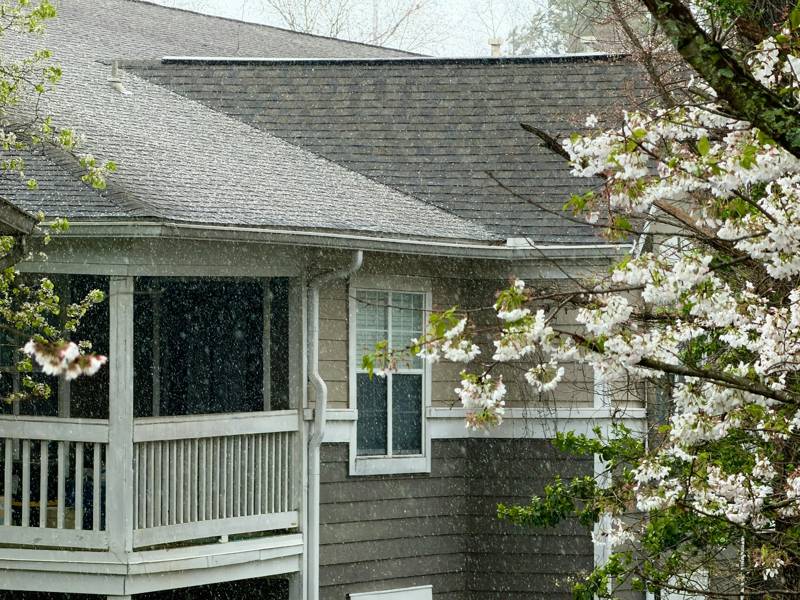 Gutter installation: what drives the cost
 Gutter replacement: what drives the cost
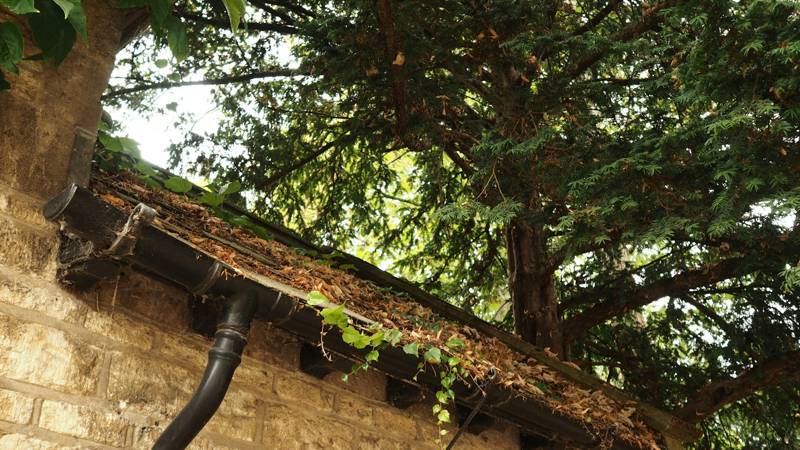 Gutter guards: what drives the cost