Home / Pest control / Guides
Termite inspection: what you are paying for
An inspection is either a service you pay for or the first step of a sales visit. Both can be fine, as long as you know which one you booked.
Call (844) 901-1058Connects you with a local pest control provider
Calls are answered by an independent provider that serves your ZIP code. You decide whether to hire.
The short version
- What sets the price
- Whether it is a paid report or the start of a treatment quote.
- When you need one
- Buying or selling a house, or after finding damaged wood.
- Ask first
- Whether you will get a written report you can keep.
An inspection should cover
- The foundation and the soil line outside.
- The crawl space or basement.
- Exposed wood in the garage and attic.
- A written report of what was found.
Ask before booking
- Is there a charge, and what does it buy?
- Will the inspector also be selling treatment?
- Is the report accepted for a home sale?
- Is the company licensed by the state?
The two kinds of inspection
- A report for a saleLenders and buyers often ask for a wood-destroying insect report. It is a paid document with a set format.
- A treatment estimateMany companies inspect at no charge because the visit ends with a quote. Get a second one before deciding.
- A yearly checkThe EPA's view of a service contract is that it should include periodic inspections.
- The inspectorThe EPA advises asking to see the company's license and the applicator's certification.
How the visit usually goes
- The inspector walks the outside of the house.
- Crawl space, basement and exposed wood are checked and probed.
- Findings are explained and shown to you.
- You receive the report, and a quote if treatment is suggested.
The EPA advises caution with unexpected visits, including someone at the door saying termites were found at a neighbor's house. An inspection you did not ask for is a sales call.
Related guides
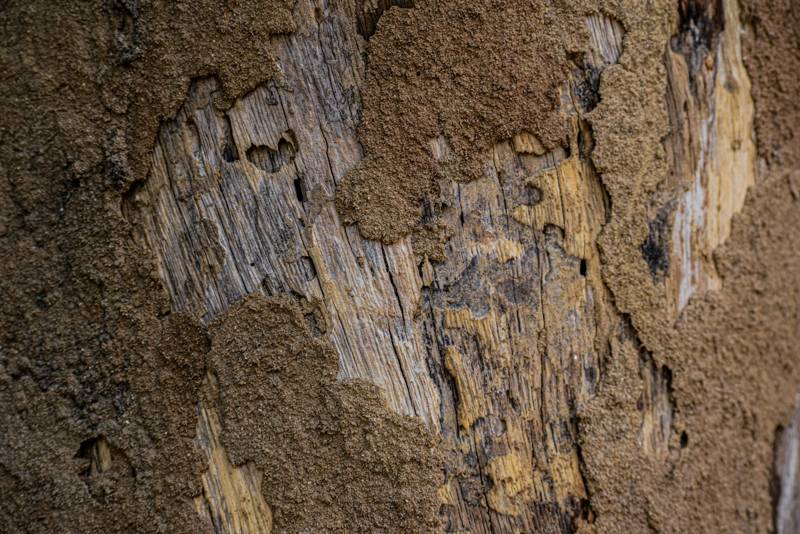 Signs of termites
 Pest control: what you are paying for
Sources
- US Environmental Protection Agency: selecting a pest control service