Home / Electricians / Guides
Outlet not working, breaker not tripped
A dead outlet with no tripped breaker usually has a cause a few feet away, and often in another room.
Call (844) 505-0813Connects you with a local electrician provider
Calls are answered by an independent provider that serves your ZIP code. You decide whether to hire.
The short version
- Most likely cause
- A tripped GFCI outlet somewhere else on the same circuit.
- Safe to check
- Press Reset on every GFCI outlet in the house.
- Call an electrician when
- The outlet is warm, discolored or smells, or several outlets are dead.
Burning smell, sparks or a hot outlet? Stop using that circuit, switch its breaker off if you can reach the panel safely, and call now. If there is smoke or fire, leave and call 911.Call (844) 505-0813
Safe to check yourself
- Test the outlet with a lamp you know works.
- Check whether a wall switch controls it.
- Press Reset on GFCI outlets in bathrooms, kitchen, garage and outdoors.
- Look for a breaker resting between on and off. Switch it fully off, then on.
Stop and call
- The face plate is warm or discolored.
- There is a smell of burning plastic.
- You hear crackling or see sparks when plugging in.
- The outlet is loose in the wall or plugs fall out.
Where the fault usually is
- A GFCI further up the circuitOne GFCI outlet can protect ordinary outlets wired after it. When it trips, they all go dead and none of them shows why.
- A half-tripped breakerA tripped breaker does not always sit in the off position. It can rest in the middle and look normal at a glance.
- A loose connectionA wire that has worked loose behind this outlet, or behind the one before it, cuts power to everything after it and can overheat.
- A worn-out outletContacts inside an old outlet lose their grip. Plugs feel loose, power comes and goes, and the outlet needs replacing.
What an electrician will do
- Test for voltage at the outlet and at the ones before it.
- Open the box and inspect the connections.
- Trace the circuit back to where power stops.
- Repair or replace the failed part, and add GFCI protection where it is required.
Signs of electrical system problems listed by the CPSC include "hot-to-the touch face plates on receptacles or switches; flickering lights; circuits that don't work; or the smell of burning plastic at outlets or switches." Its advice is to have a qualified electrician find the cause.
Related guides
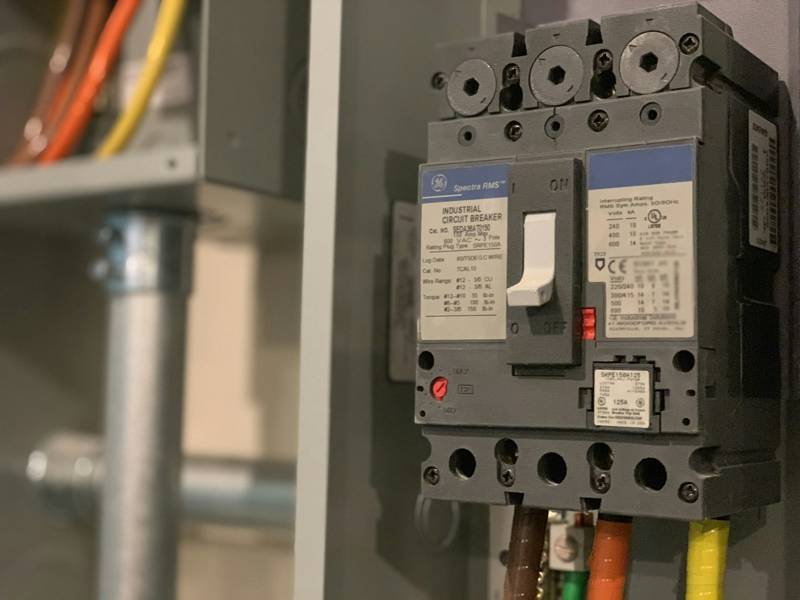 Why a breaker keeps tripping
 What it costs to add an outlet
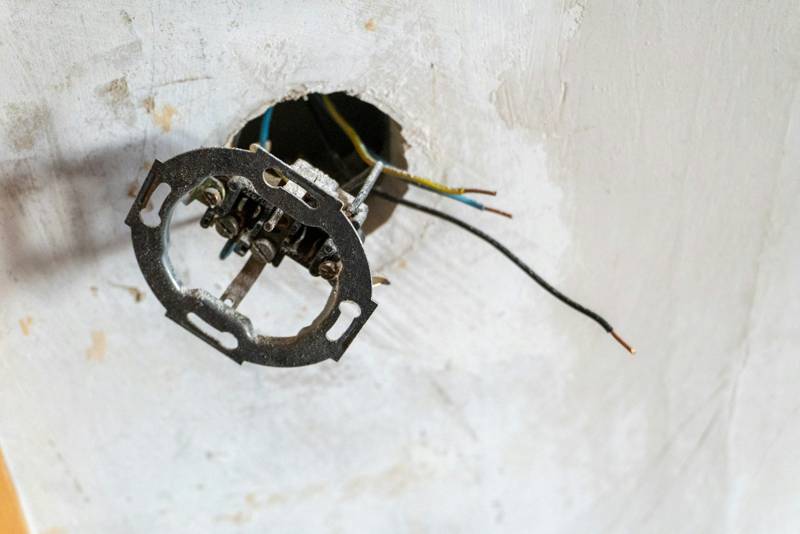 Aluminum wiring in a house
Sources
- US Consumer Product Safety Commission: GFCI fact sheet
- US Consumer Product Safety Commission, Publication 516: aluminum wiring