Home / Water damage and mold / Guides
Water damage restoration: what drives the cost
Restoration is two jobs with two prices: getting the building dry, and putting back what had to come out.
Call (844) 817-0274Connects you with a local water damage and mold provider
Calls are answered by an independent provider that serves your ZIP code. You decide whether to hire.
The short version
- What sets the price
- The kind of water, the area affected and how long it sat.
- Two parts
- Drying and cleanup first, repairs after.
- Before work starts
- Photograph the damage and call your insurer.
A quote should spell out
- The areas and materials affected.
- The equipment and the number of drying days.
- What is removed and what is dried in place.
- Whether rebuilding is included or separate.
What pushes the price up
- Sewage or flood water, not clean water.
- Water that sat for days.
- Wet insulation, hardwood or cabinets.
- Mold that has already started.
What you are paying for
- The kind of waterClean water from a supply line is the simplest case. Drain, flood and sewage water mean more removal and protection.
- The areaWater travels under floors and inside walls. Moisture readings, not the visible stain, define the job.
- TimeThe EPA's drying window is 24-48 hours. Past that, mold work is added.
- The rebuildDrywall, flooring and trim. This part can reach the size where a state license applies.
How the job usually goes
- Inspection with moisture readings and photographs.
- Water removal and removal of ruined materials.
- Drying, with readings recorded each day.
- Repairs, by the same company or a contractor.
For the rebuild, check the contractor's license. Tennessee's rule depends on the county and the job size; Alabama's starts above $10,000. Our city guides give the rule for each area.
Related guides
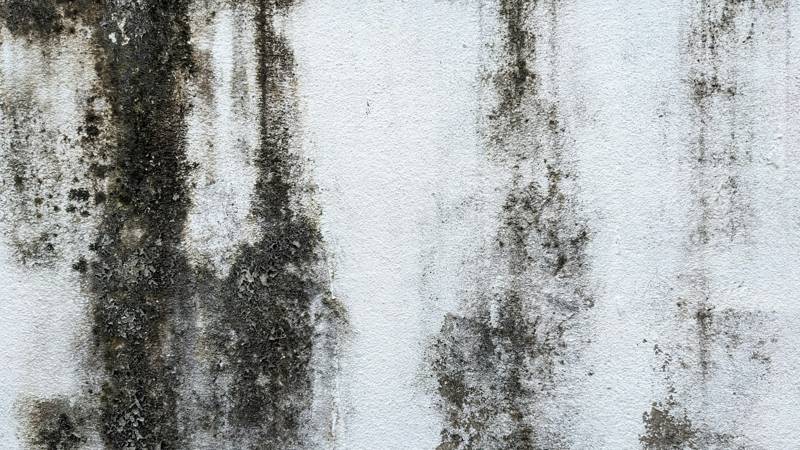 Does homeowners insurance cover water damage?
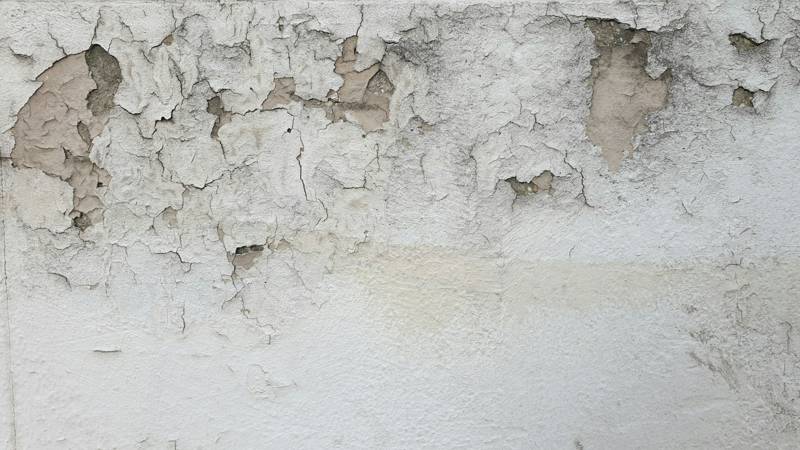 Water damage on the ceiling
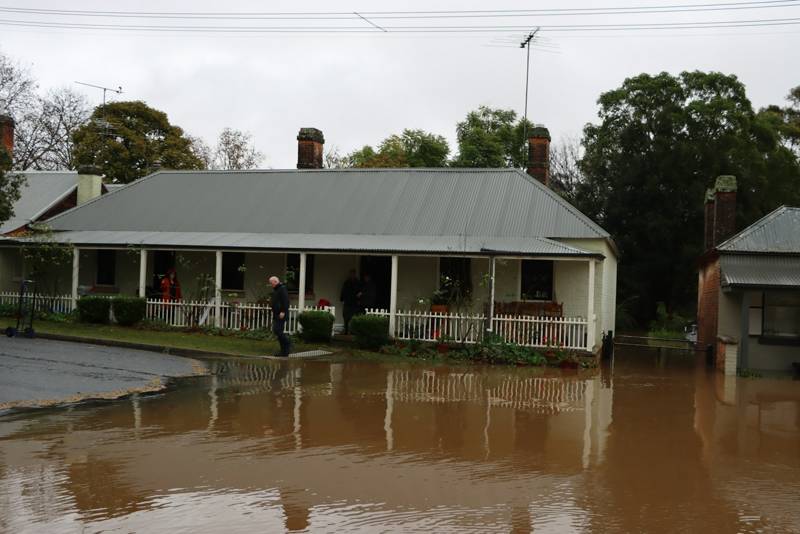 Flooded basement: what to do
Sources
- US Environmental Protection Agency: mold, moisture and your home
- Tennessee Board for Licensing Contractors
- Alabama Home Builders Licensure Board