Home / Water damage and mold / Guides
Does homeowners insurance cover water damage?
The usual answer turns on two words: sudden and accidental. Your own policy is what actually decides.
Call (844) 817-0274Connects you with a local water damage and mold provider
Calls are answered by an independent provider that serves your ZIP code. You decide whether to hire.
The short version
- Usually covered
- Sudden, accidental damage, such as a burst pipe.
- Usually not
- Flooding from outside, and damage from slow leaks or poor upkeep.
- Do first
- Photograph everything and call your insurer before removing materials.
Typically covered
- A pipe that bursts.
- An accidental leak from plumbing or an appliance.
- Rain entering through storm damage.
- Water used to put out a fire.
Typically not covered
- Flood water rising from outside.
- Seepage through a foundation.
- A leak left unrepaired over time.
- Damage from lack of maintenance.
How the line is drawn
- Sudden and accidentalA Texas Real Estate Research Center publication puts it this way: "water pouring from a burst pipe qualifies, but water seeping in from a foundation does not."
- FloodFlood damage is generally handled by separate flood insurance, such as the National Flood Insurance Program, not by a standard homeowners policy.
- Gradual damageInsurers generally treat slow leaks and deferred repairs as maintenance, which policies exclude.
- Your policyWording, limits and endorsements differ. Sewer backup, for example, is often an optional add-on.
What to do after water damage
- Stop the water and make the area safe.
- Photograph and video the damage before cleanup.
- Call your insurer and ask how it wants the claim documented.
- Start drying. Waiting can turn a covered loss into a mold dispute.
This page is general information, not insurance advice. Your policy and your insurer decide what is covered.
Related guides
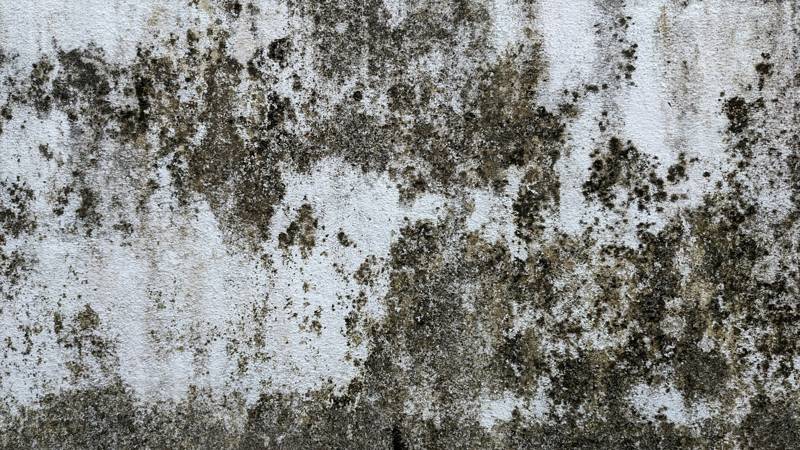 Does homeowners insurance cover mold?
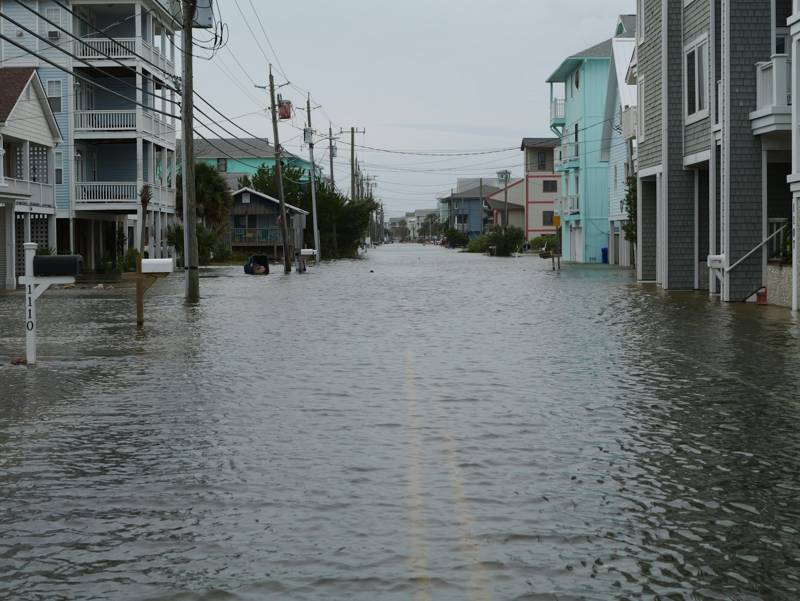 Water damage restoration: what drives the cost
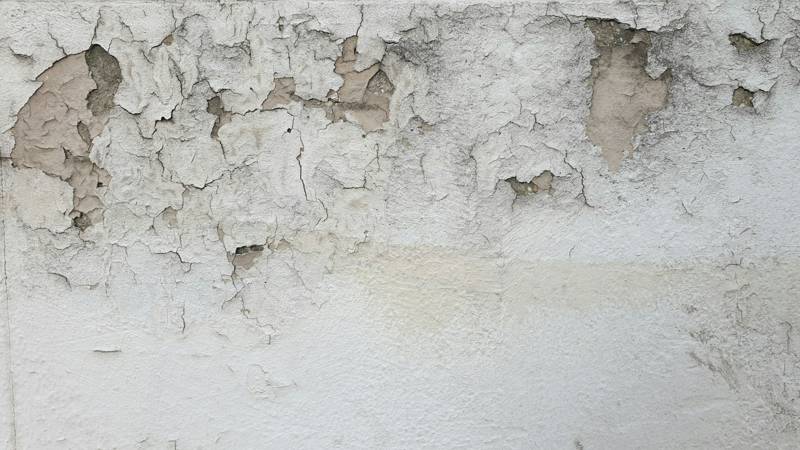 Water damage on the ceiling
Sources
- Texas Real Estate Research Center, Texas A&M University